Overview
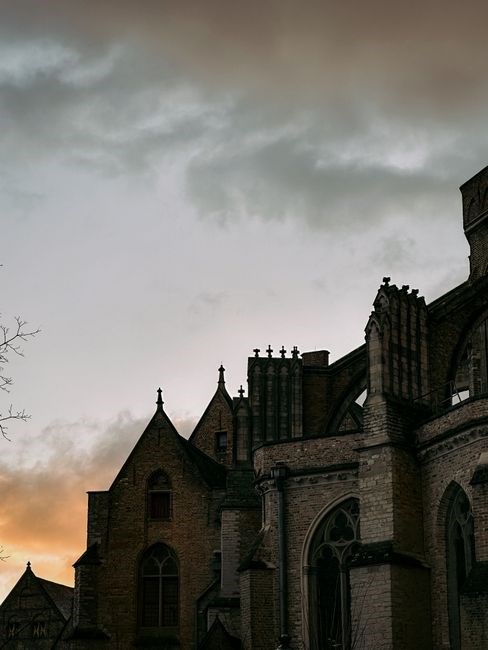
The study guide offers concise plot summaries, character analyses, and thematic insights, helping students grasp Poe’s gothic atmosphere. It includes flashcards, quizzes, and discussion prompts, making the classic accessible for classrooms and self‑study. Explore key quotes and devices. more!!

Plot Summary
The narrator, a distant relative of Roderick Usher, arrives at the crumbling mansion after receiving a letter urging him to visit. The house, perched on a bleak shoreline, exudes an oppressive gloom that mirrors the narrator’s uneasy anticipation. Upon entering, he observes Roderick’s pallid appearance and the eerie silence that pervades the halls. Roderick confides that he suffers from a severe melancholy, which he believes is linked to the family’s ancestral curse. He describes a twin bond with his sister, Madeline, whose fragile health and mysterious illness echo the house’s decay. As the story progresses, the narrator witnesses unsettling events: a strange, mournful sound emanating from the walls, the sudden collapse of a stone archway, and the appearance of a pale, translucent figure. These occurrences culminate in a revelation when Madeline, presumed dead, emerges from a sealed crypt beneath the house, her body still intact but her eyes vacant. The final act sees the house shudder and split, its foundations giving way to the relentless tide, symbolizing the downfall of the Usher lineage. The narrator’s escape is brief, leaving him to contemplate the fragile boundary between reality and the supernatural that defined his stay. The narrator’s mind, house’s atmosphere, struggles to distinguish between the living and the dead, leaving him dread. —end!!!…

Historical Context
The story emerged in 1839, amid America’s Romantic era, reflecting anxieties of industrialization and scientific progress. Poe’s narrative critiques the era’s rationalism, highlighting the clash between reason and the uncanny, and foreshadows modern gothic revivals. —end.
Publication and Reception
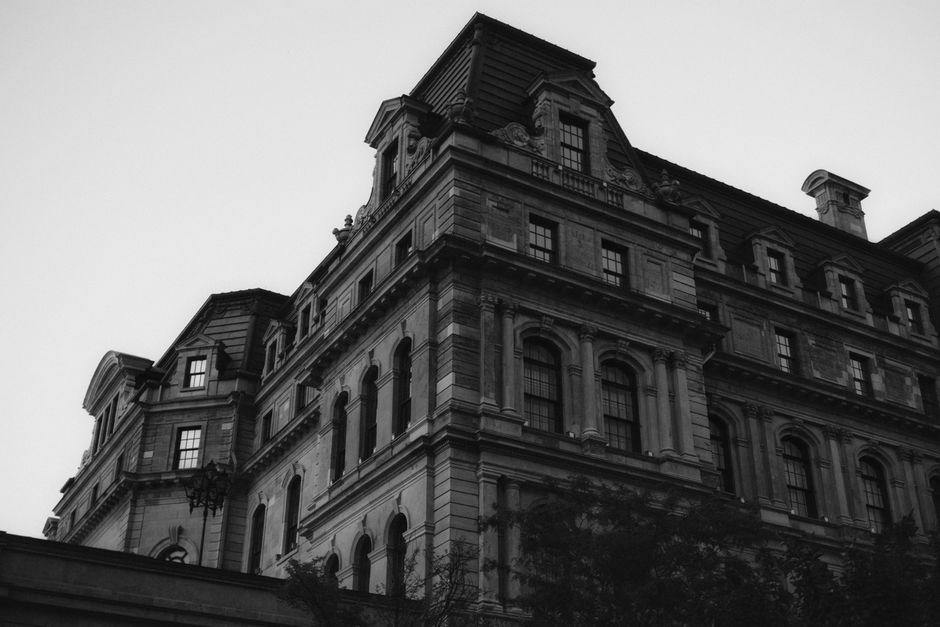
Edgar Allan Poe first published “The Fall of the House of Usher” in 1839 in The Southern Literary Messenger, a periodical that positioned him among contemporaries like Hawthorne and Cooper. Critics were divided: some praised Poe’s atmospheric prose and psychological depth, while others found the tale melodramatic and incoherent. The story later appeared in Poe’s 1845 collection The Raven and Other Poems, solidifying its literary status. By the 1850s, scholars noted its pioneering use of interior monologue and exploration of the uncanny, linking the house to the fragility of the human psyche. The narrative’s influence extended into early film adaptations of the 1910s and 1920s, and critics highlighted Poe’s unreliable narration, a precursor to later psychological thrillers. The tale’s popularity surged during the 1930s gothic revival, and it has since become a staple in high‑school curricula, paired with discussions of narrative structure and symbolism. Its enduring legacy is reflected in the continued production of scholarly articles, creative reinterpretations, and digital study resources that keep the narrative alive for new generations. This enduring narrative continues to inspire literary scholars, filmmakers, and educators, who utilize it as a lens for exploring the psychological impact of isolation and the fragility of identity within a decaying environment. Its haunting atmosphere and layered symbolism make it a staple for exploring the human condition, fear, reason, and gothic allure!
Key Characters
Roderick Usher, a fragile genius, embodies the House’s decay, while his twin sister Madeline, mute and spectral, mirrors his mental collapse. The unnamed narrator, a skeptical observer, becomes entangled in their doomed legacy, witnessing the house’s ultimate collapse.—
Roderick and Madeline Usher
Roderick Usher, the story’s central figure, is portrayed as a highly intellectual yet emotionally fragile individual whose acute sensitivity to sound and light mirrors the crumbling architecture of his ancestral home. His twin sister, Madeline, is depicted as mute and physically weakened, yet she embodies the house’s spectral presence, often described as a living echo of the family’s lineage. Their intertwined fates illustrate the theme of duality; Roderick’s mental deterioration parallels Madeline’s gradual decline, culminating in her burial and subsequent supernatural return. Scholars note that the siblings’ relationship is a metaphor for the inextricable bond between the House and its occupants, suggesting that the decay of one inevitably leads to the collapse of the other. The narrative’s focus on their shared isolation amplifies the gothic atmosphere, while the siblings’ shared name underscores the idea that identity and environment are inseparable. Roderick’s obsession with art and music, coupled with his inability to escape the house’s oppressive silence, heightens the sense of impending doom. Madeline’s eventual emergence from the crypt, her pale, trembling form, and the narrator’s stunned reaction serve as the climax that confirms the house’s literal and figurative downfall. The characters’ tragic arc reinforces Poe’s exploration of psychological horror, the fragility of the human mind, and the inexorable link between a family’s legacy and its physical surroundings. Their shared silence echoes through every stone of the decaying manor!!!!

Themes and Motifs
The guide highlights decay, duality, and isolation as core motifs. Decay symbolizes the physical and moral decline of the Usher lineage, while duality reflects the twin siblings and the house’s split reality. Isolation amplifies dread, underscoring the gothic atmosphere and psychological horror.!!!
Decay, Duality, Isolation
Decay is the central motif that permeates the narrative, illustrated by the physical deterioration of the Usher mansion and the physical and mental decline of its inhabitants. The crumbling stone walls, the fissures in the floorboards, and the “mysterious gloom” that hangs over the estate symbolize the erosion of both the family’s legacy and the human psyche. Duality is presented through the mirrored relationship between Roderick and Madeline, whose personalities and fates echo each other, as well as the parallel decline of the house and its occupants. This duality underscores the theme of inherited fragility, suggesting that the house itself is a living organism that reflects the inner state of its owners. Isolation is a pervasive element that heightens the gothic atmosphere; the remote, cliff‑side location, the narrator’s solitary presence, and the oppressive silence that envelops the house all serve to amplify dread and psychological terror. The guide cites specific passages—such as Roderick’s description of the “sudden, violent” collapse of the mansion—to demonstrate how decay, duality, and isolation intertwine, creating a cohesive narrative that invites deeper analysis of human fragility, the inescapable nature of death, and the inevitable collapse of both self and environment. By examining these motifs, students gain insight into Poe’s exploration of the fragility of identity and the destructive power of isolation and decay within a gothic framework.
Students use the guide’s annotated excerpts to trace these motifs, critical discussion and literary appreciation.

Gothic Elements
The guide highlights Poe’s signature gothic elements: a crumbling mansion, oppressive atmosphere, supernatural dread, and psychological terror. It examines the uncanny setting, the narrator’s isolation, and the eerie, ambiguous death of Madeline, all underscoring the story’s mood.
Atmosphere and Supernatural
In the study guide, the atmosphere of Poe’s tale is dissected through detailed descriptions of the decaying mansion, the oppressive silence that hangs over the Usher family, and the pervasive sense of dread that permeates each page. The guide emphasizes how the setting itself becomes a character, with the crumbling stone walls, the damp, moss‑laden corridors, and the ever‑present chill that seems to seep from the very foundation. Students are encouraged to note how Poe uses sensory details—sour air, the echoing footsteps, the flickering candlelight—to build an environment that feels claustrophobic and suffocating. The supernatural is introduced subtly at first, with the narrator’s uneasy feeling of being watched, and then escalates as the story progresses. The guide points out the uncanny events: the sudden, inexplicable appearance of Madeline’s corpse, the inexplicable tremors that shake the house, and the final, terrifying collapse of the mansion itself. These moments are framed as manifestations of the family’s cursed lineage, blending psychological horror with genuine supernatural phenomena. By pairing close textual analysis with discussion prompts, the guide helps readers see how the atmosphere and supernatural elements reinforce the themes of decay and duality, creating a chilling, unforgettable reading experience. Readers are urged to annotate key passages, noting how Poe’s diction amplifies dread and how the house’s decay mirrors the characters’ decline deeply, profoundly!!!
Literary Devices
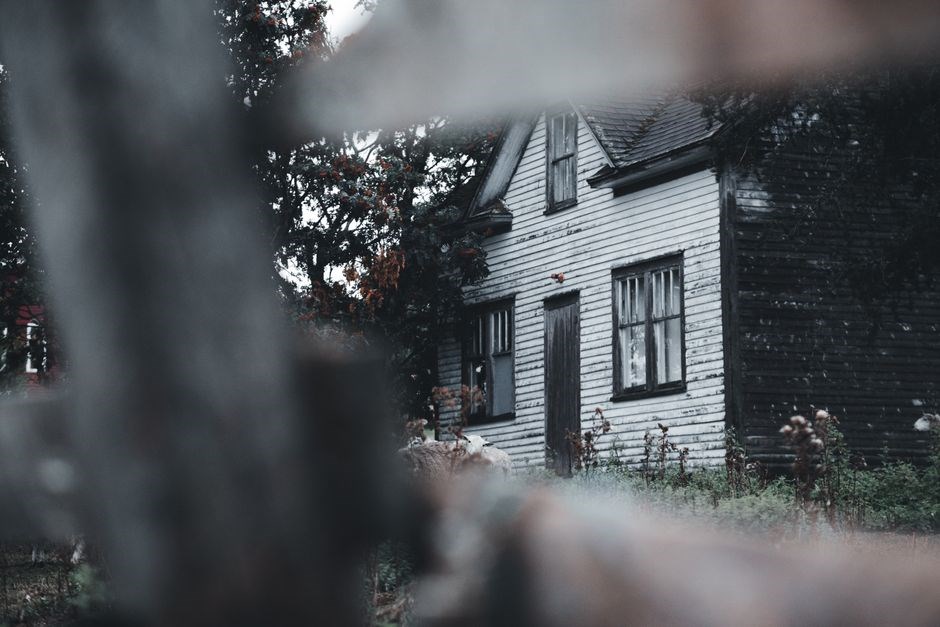
Study guide highlights Poe’s use of symbolism—Roderick’s cracked skull, the house’s fissures—and vivid imagery that paints a bleak, oppressive world. It examines foreshadowing, irony, and the narrator’s unreliable perspective, guiding students to dissect how these devices amplify dread and thematic
Symbolism and Imagery

In the study guide, students examine how Poe layers symbolism to deepen the narrative’s dread. The cracked skull of Roderick Usher represents inherited mental decay, while the fissures in the house mirror the family’s fracturing lineage. The tarn’s stagnant waters echo the stagnant emotions that haunt the brothers. Poe’s vivid imagery—“mildewed” corridors, “blackened” windows, and a “shuddering” storm—creates a claustrophobic atmosphere that feels alive, almost sentient. The narrator’s trembling hands and the “dreadful” silence amplify the sense of impending doom. Through flashcards and guided questions, learners dissect how these images reinforce themes of duality, isolation, and the inevitable collapse of both the house and its occupants. The guide encourages students to annotate passages, noting how the “darkness” and “silence” become characters themselves, and to analyze how the setting’s oppressive mood foreshadows the final collapse. By connecting these symbols to the broader Gothic tradition, the study guide helps students appreciate Poe’s masterful use of imagery and symbolism as tools that propel the story’s psychological and thematic depth.
The guide also offers a comparative chart that juxtaposes Poe’s use of light versus darkness across his works, encouraging students to trace how this dichotomy shapes mood and character development. Additionally, a prompt asks learners to consider how the house’s physical decay mirrors their anxieties, engagingIt deepens analysis

Study Guide Resources
Explore flashcards, quizzes, and essay prompts that dissect plot, themes, and symbolism. tools like Quizlet decks and discussion worksheets help reinforce key concepts. Download printable worksheets, watch video analyses, and use guided study charts for deeper insight !
Flashcards, Essays, Analysis Tools
Students can access a variety of interactive resources designed to deepen comprehension of Poe’s classic. Quizlet flashcard decks cover key terms such as “Roderick,” “Madeline,” “decay,” and “duality,” allowing learners to test recall and reinforce vocabulary. The study guide includes structured essay prompts that encourage critical thinking about narrative perspective, symbolism, and the psychological underpinnings of the characters. Additionally, downloadable analysis worksheets provide guided questions that dissect specific passages, helping readers identify imagery, mood, and thematic resonance. A set of multiple‑choice quizzes offers instant feedback on plot details and thematic interpretation, while discussion guides prompt group analysis of gothic motifs and atmospheric tension. These tools collectively support varied learning styles and promote active engagement with the text.
Teachers can incorporate multimedia elements such as audio recordings of the story, allowing students to experience Poe’s rhythmic prose. Comparative analyses with other gothic works help contextualize recurring motifs; The guide also offers a glossary of archaic terms, ensuring clarity for modern readers. Students can create mind maps to visualize character relationships and thematic links, fostering deeper comprehension. Finally, the resource includes a peer‑review rubric to assess analytical essays, encouraging reflective writing and critical dialogue. Deepen insight now!.