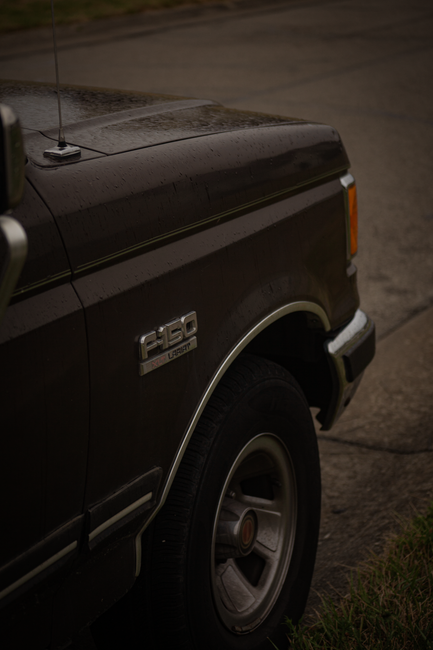
General Overview and Index
Explore the 2017 Ford F‑150 Owner’s Manual: layout, key sections, and navigation tips. Find chapter outlines, quick‑reference links, and index pointers to help locate safety, maintenance, and troubleshooting info efficiently.
Use the index for quick lookup of engine, transmission, and electrical topics.—read.
Contents and Document Structure
The 2017 Ford F‑150 Owner’s Manual is organized into distinct sections that guide owners from safety fundamentals to troubleshooting. The front matter includes a welcome letter, legal disclosures, and a quick‑reference table of contents. Following that, the safety chapter details seat‑belt, airbag, and child‑seat guidelines with diagrams and notes for drivers riders!!
Next, the vehicle operation section covers starting, shifting, driving controls explaining the engine, transmission, and steering systems. The maintenance schedule is presented in a tabular format, listing oil, filter, fluid change timelines, along with recommended service intervals for brakes, tires, and HVAC.
Diagnostic information is provided in a dedicated troubleshooting chapter, featuring OBD‑II code interpretation, fault‑code tables, and step‑by‑step repair procedures. Warranty coverage is summarized in a section, outlining the manufacturer’s guarantees, claim procedures, and service center contacts.
Special editions, such as the Raptor, are highlighted in a distinct appendix that outlines off‑road features and performance enhancements. Finally, the technical specifications & towing capacity section lists maximum towing, payload, and trim variations, complete with charts and performance data.
Each chapter is prefaced with a concise summary and concludes with a glossary of terms, ensuring owners can quicklyfast locate and understand key information throughout the manual.
Safety Information
Follow seat‑belt, airbag, and child‑seat guidelines. Use the driver’s seatbelt, adjust properly,and keep airbags deployed. Children must use approved restraints. Observe all safety warnings and keep the vehicle’s safety systems functional. Always wear seat belts. Stay safe
Seat Belt and Airbag Guidelines
All occupants of the 2017 Ford F‑150 must wear a seat belt before the vehicle starts. The belt should be snug across the hips, not the abdomen, and the lap portion must lie over the pelvic bones. The shoulder strap should cross the chest and rest over the collarbone, avoiding the neck. Adjust the belt with the buckle or the automatic tensioner on the driver’s side. A loose belt may leave the occupant unrestrained; a tight belt can cause injury. Children under 13 should use a forward‑facing seat with a seat belt or a child‑resistant harness. Children 4–12 years old should use a booster seat to raise the child so the belt sits correctly. Children under 4 must use a rear‑facing child seat. Airbags are designed to work with seat belts. They deploy only when a seat belt is fastened and the vehicle experiences a collision of sufficient severity. If a belt is not worn, the airbags may deploy and cause serious injury. The driver’s side airbag is a combined seat‑belt and side‑airbag system; the passenger side airbag is side‑airbag only. Rear‑seat airbags are active only when the seat belt is fastened. The vehicle’s seat‑belt reminder system vibrates the seat and sounds an audible warning if the belt is not fastened. The driver’s seat belt is a dual‑stage system: the first stage deploys a soft belt and the second stage deploys a hard belt. Replace worn straps. Check buckle. And replace straps soon!!!!!
Vehicle Operation Basics
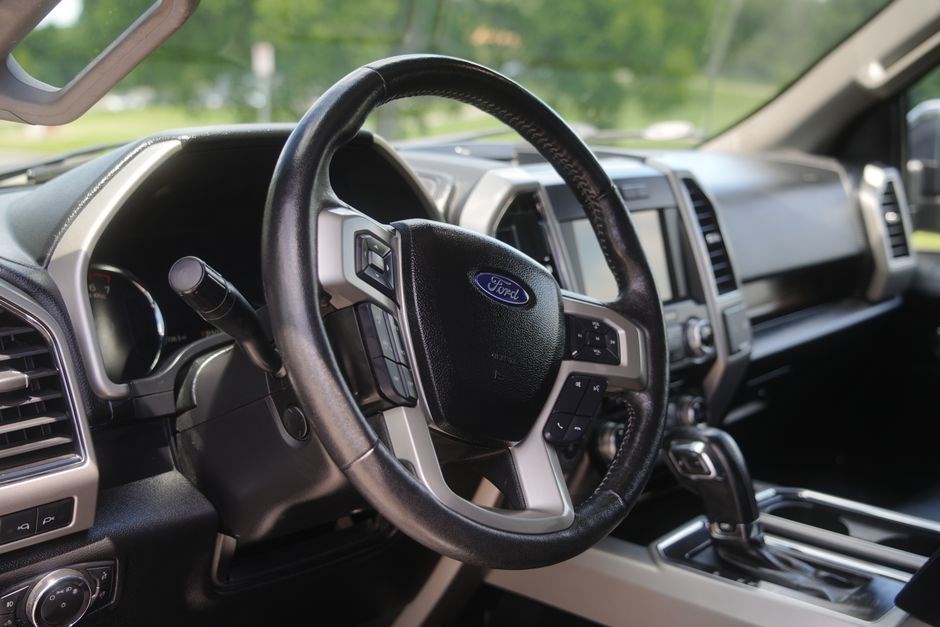
Start the engine with the key or push‑button. Shift from Park to Drive or Reverse using the gear selector. Use the accelerator to control speed, the brake for deceleration, and the clutch (if manual) to engage gears. Observe all signals and mirrors before moving.!!
Starting, Shifting, and Driving Controls
Begin by placing the gear selector in Park (P) and depressing the brake pedal. Insert the key or use the push‑button start system; the engine will crank and the dashboard lights will illuminate. For automatic models, rotate the gear selector to Drive (D) or Reverse (R) after the engine has started. Manual variants require the clutch pedal to be fully depressed; move the gear lever to the desired gear and release the clutch smoothly while applying throttle. The accelerator pedal controls engine speed—press lightly for gentle acceleration and more firmly for higher speed. The brake pedal provides deceleration; apply gradually to maintain stability. Steering is controlled by turning the wheel left or right, keeping both hands at the 9‑and‑3‑o’clock positions for optimal control. The vehicle’s electronic stability control (ESC) assists in maintaining traction by monitoring wheel slip and applying brakes as needed. The traction control system (TCS) limits wheel spin during acceleration. The driver can adjust throttle response using the drive‑mode selector (Eco, Normal, Sport) on the center console; each mode changes throttle sensitivity and transmission shift points. Cruise control is engaged by pressing the “CRUISE” button, setting the desired speed with the “+” or “–” buttons, and disengaging by pressing the brake or the “CANCEL” button. The parking brake is a lever or button on the center console; engage it when parked and disengage before driving. The infotainment system displays real‑time data such as speed, fuel economy, and navigation directions; use the touchscreen or steering‑wheel controls to access these functions. Always follow the manufacturer’s recommended procedures for starting and shifting to prevent engine damage and ensure safety. For detailed procedures, consult the “Engine and Transmission” section of the manual.
When using the keyless entry system, press the “LOCK” button on the remote to secure the doors; the vehicle will confirm with a chime. To start the engine, press the “START/STOP” button while the brake is engaged; the engine will idle until you release the brake. If the engine does not start, check the battery charge and ensure the key fob battery is functional. The F‑150’s integrated start‑stop feature automatically shuts off the engine at idle to save fuel; it restarts when the accelerator is pressed. The vehicle’s shift‑by‑wire system allows the driver to select “Low” or “High” gear ranges via the gear selector; “Low” engages a lower gear ratio for towing or off‑road use. The “Shift Lock” indicator on the dash lights when the gear selector is not in the neutral or park position, preventing unintended gear changes. The driver can also use the “Manual Shift” mode on the transmission control panel to manually select gears, providing greater control during heavy load or off‑road driving. Keep the gear selector in the correct position for the vehicle’s speed and load to avoid transmission damage. For more advanced driving techniques, refer to the “Driving Techniques” chapter.
Maintenance Schedule
Follow the 2017 F‑150 maintenance chart: oil every 5,000 mi, filter at 15,000 mi, fluid checks quarterly, tire rotation 10,000 mi, brakes inspected 15,000 mi. Adhere to manufacturer’s intervals for optimal performance. Check battery, coolant, and fluid levels monthly.
Oil, Filter, and Fluid Change Timelines
For the 2017 Ford F‑150, the owner’s manual specifies an engine oil change every 5,000 miles or six months, whichever comes first, under normal driving. In severe conditions—short trips, heavy towing, dusty environments—the interval shortens to 3,000 miles or three months. The recommended oil is 5W‑20 synthetic blend (WSS‑M2C930‑A). Each change includes a new oil filter; inspect for leaks and replace if damaged. Transmission fluid for the 6‑speed automatic is due every 30,000 miles or 36 months (WSS‑M2C932‑A). For the 10‑speed automatic, the interval is 45,000 miles or 48 months. Power‑steering fluid should be checked quarterly and topped up if below the minimum; replace every 60,000 miles or 72 months. Brake fluid is replaced every 24 months. Coolant should be flushed and replaced every 120,000 miles or 120 months (Ford 0.9‑pint antifreeze). Differential fluid is due every 30,000 miles or 36 months; transfer case fluid every 45,000 miles or 48 months. Air filter and cabin filter every 15,000 miles or 18 months. Fuel filter inspected at 30,000 miles. Adhering to these timelines ensures engine performance, component longevity, and safety compliance.
Regular tire rotation every 5,000 miles and wheel alignment at 10,000 miles helps maintain traction and extend tire life. Inspect brake pads at each oil change; replace pads if thickness falls below 3 mm. Monitor coolant reservoir for leaks and replace coolant every 120,000 miles. Keep battery terminals clean and test battery charge 12 months.!
Troubleshooting & Diagnostic Codes
Connect a scan tool to the 2017 F‑150’s OBD‑II port. Read codes, note P‑codes for engine, B‑codes for body, C‑codes for chassis, U‑codes for network. Clear codes after repair, then verify no re‑occurrence. Refer to the manual’s code list for meanings. If codes persist, consult a dealer. after fix.
On-Board Diagnostic (OBD-II) Code Interpretation
Use a compatible OBD‑II scanner to retrieve trouble codes from the 2017 Ford F‑150. The vehicle’s diagnostic system stores codes in four categories: P‑codes (powertrain), B‑codes (body), C‑codes (chassis), and U‑codes (network). Each code consists of a letter followed by four digits. The first digit after the letter indicates the system (0 = generic, 1 = manufacturer‑specific). The second digit identifies the component group, and the last two digits represent the specific fault.
To interpret a code, consult the code table or manufacturer database. For example, P0300 indicates a misfire, while P0420 signals a catalytic converter issue. B0035 refers to a driver‑airbag fault, C1234 denotes a steering‑related problem, and U0100 signals a loss of communication with the powertrain control module.
After reading the code, perform diagnostic steps: inspect components, check wiring, verify sensor operation, and test for mechanical issues. If the fault is resolved, clear the code with the scanner and verify it does not reappear. Persistent codes should be addressed by a technician, as they may affect emissions compliance or safety systems.
Note that some codes are transient and may only appear during certain driving conditions. Always document the driving context when the code was first logged. This information helps technicians pinpoint intermittent faults. For complex issues, use the “live data” feature to monitor sensor values in real time.
Warranty & Service
The 2017 Ford F‑150 offers a 3‑year/36,000‑mile bumper‑to‑bumper warranty and a 5‑year/60,000‑mile powertrain guarantee. Parts, labor, and accessories are covered per the terms. For claims, visit a Ford dealer or submit online via the official portal. Warranty does not cover accidental damage. 24/7. Help.
Coverage Summaries and Claim Procedures
The 2017 Ford F‑150 includes a 3‑year/36,000‑mile bumper‑to‑bumper warranty covering all major components, and a 5‑year/60,000‑mile powertrain guarantee covering engine, transmission, and drivetrain. The coverage excludes wear items, cosmetic damage, and accidental or intentional damage. To file a claim, first locate the nearest authorized Ford dealer. Contact the dealer’s service department by phone or through the Ford website’s “Warranty Claim” portal. Provide your VIN, proof of ownership, and a detailed description of the issue. The dealer will schedule a diagnostic appointment. During the inspection, a technician will verify the defect against the warranty terms. If the defect is covered, the dealer will repair or replace the part at no cost to the owner. All repairs must be performed by a Ford‑approved technician using OEM parts. Documentation of the claim, including service reports and parts receipts, will be retained by the dealer and made available to the owner upon request. For extended warranty options, owners can purchase extra coverage through Ford or authorized third‑party providers. The warranty remains valid as long as the vehicle is operated within the manufacturer’s specifications and the owner maintains proper service records. For more information, consult the Warranty Guide in the Owner’s Manual or visit the Ford warranty portal. All warranty claims are subject to Ford’s terms and conditions, and the owner must keep all receipts and records for reference. Refer to the warranty policy for dispute resolution and contact the dealer ASAP.
Special Editions (Raptor)
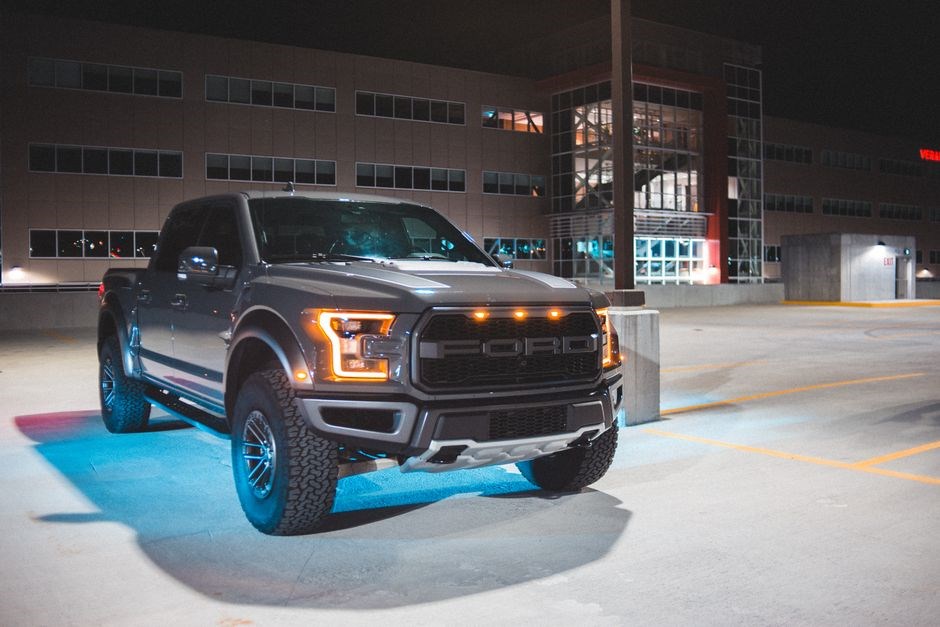
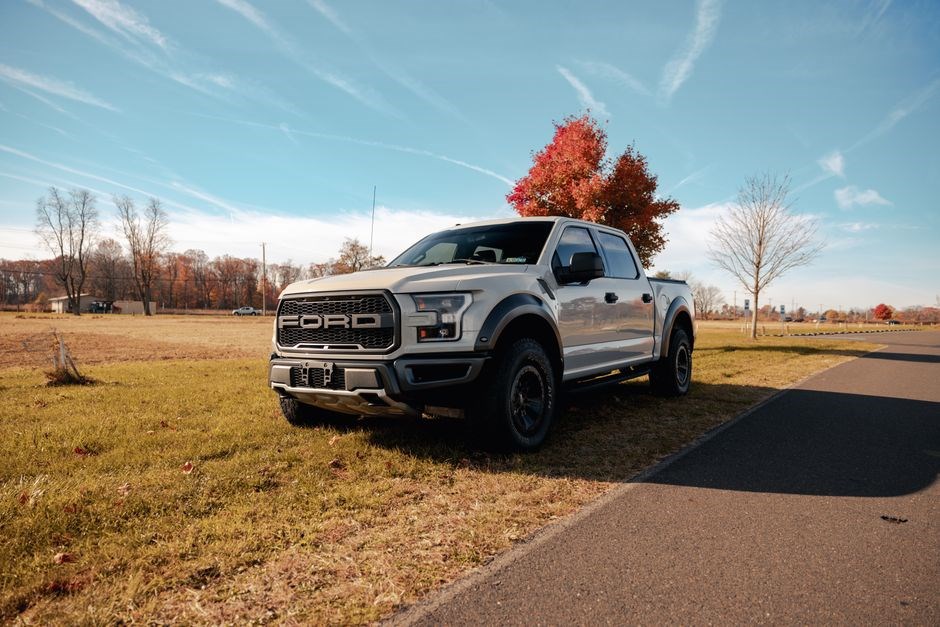
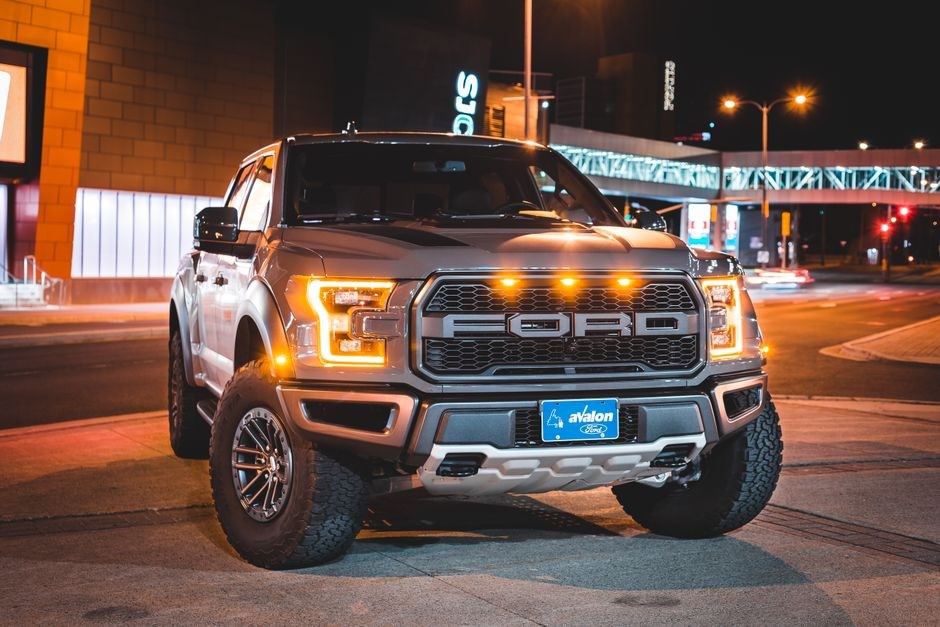
The 2017 F‑150 Raptor features a 6.2L V‑8, 10‑speed automatic, and a 2‑stage transfer case. Off‑road suspension, skid plates, and 33‑inch tires enhance performance. The manual details unique trim, towing limits, and maintenance for the Raptor model. and 2‑stage!!?
Off‑Road Features and Performance Enhancements
The 2017 Ford F‑150 Raptor is built for extreme off‑road capability. Its 6.2‑liter EcoBoost V‑8 engine delivers 450 hp and 510 lb‑ft torque, paired with a 10‑speed automatic transmission and a 2‑stage transfer case that locks both front and rear axles. The Fox Racing Shox suspension provides 8‑inch travel, while the 2‑stage adjustable air‑ride system allows drivers to switch between on‑road and off‑road modes. A 33‑inch all‑terrain tire package, mounted on 20‑inch aluminum wheels, gives superior traction on sand, mud, and rock. Skid plates protect the underbody, and the integrated electronic traction control and hill‑descent assist maintain stability on steep grades. The aerodynamic body kit—front splitter, rear diffuser, side skirts—reduces drag and improves airflow to the engine. Off‑road lighting is enhanced by a 4‑point LED light bar and 8‑point LED fog lamps, ensuring visibility in low‑light conditions. The Raptor’s 4‑wheel drive system offers on‑road, off‑road, and 4‑wheel drive modes, with a 4‑wheel drive off‑road mode that locks the transfer case for maximum traction. Additional features include a 4‑wheel drive off‑road mode, a 4‑wheel drive on‑road mode, and a 4‑wheel drive mode that locks the transfer case. The Raptor’s 4‑wheel drive system also includes a 4‑wheel drive off‑road mode that locks the transfer case for maximum traction.
The Raptor’s 4‑wheel drive system offers a 4‑wheel drive off‑road mode that locks the transfer case for maximum traction. The differential lock engages automatically when wheel slip is detected, and the system can be manually engaged via the driver’s display. The system also offers a 4‑wheel drive off‑road mode— and now!?
Technical Specifications & Towing Capacity
2017 Ford F‑150 towing specs: Max 14,000 lb (standard) or 14,200 lb (Raptor). Payload up to 1,650 lb. Engine options: 3.5L V‑6 (280 hp), 5.0L V‑8 (360 hp), 6.2L EcoBoost V‑8 (450 hp). Transmission: 6‑speed manual or 10‑speed auto. Front axle lift 8.5 in,33‑inch tires 2‑stage transfer case
Maximum Towing, Payload, and Trim Variations
According to the 2017 Ford F‑150 Owner’s Manual, the standard 4×2 configuration equipped with the 3.5‑liter V‑6 engine and a 6‑speed manual transmission can tow a maximum of 9,000 lb (4,082 kg) when properly equipped with the factory‑installed trailer hitch and weight‑distribution system. The 4×2 with the 5.0‑liter V‑8 and a 6‑speed manual or the 10‑speed automatic achieves a higher rating of 11,000 lb (4,990 kg). The 4×4 models, especially those with the 5.0‑liter V‑8, are rated for 12,000 lb (5,443 kg). The 6.2‑liter EcoBoost V‑8, available on the XLT, Lariat, King Ranch, and Platinum trims, reaches the top rating of 14,200 lb (6,437 kg) with the 10‑speed automatic and the factory‑installed towing package.
Payload capacity varies by trim and drivetrain. The base XL and XLT 4×2 with the 3.5‑liter V‑6 can carry up to 1,650 lb (748 kg) of cargo and passengers, while the same configuration with the 5.0‑liter V‑8 increases payload to 1,800 lb (816 kg). The 6.2‑liter EcoBoost trims can handle up to 1,900 lb (862 kg). The 4×4 variants add an extra 200 lb (91 kg) to the payload due to the additional drivetrain components.
Trim variations influence both towing and payload figures. The XL and XLT trims share the same engine options but differ in interior features and available towing packages. The Lariat, King Ranch, and Platinum trims add luxury amenities and optional towing packages that can increase towing capacity by up to 200 lb (91 kg) when equipped with the 6.2‑liter EcoBoost engine. The Raptor, a special edition 4×4, is rated for 14,000 lb (6,350 kg) towing with the 6.2‑liter EcoBoost and a 10‑speed automatic, and can carry a payload of 1,700 lb (770 kg). All figures assume the use of the factory‑installed 2‑stage transfer case, a 2‑stage rear axle, and a 2‑stage front axle lift.
When planning a tow, always consult the towing package checklist in the manual, verify the hitch class, and use the recommended tongue weight. The manual also details the proper use of a 2‑stage transfer case and the 2‑stage rear axle for maximum towing efficiency. Follow all safety guidelines. These specifications are critical for ensuring safe operation and compliance with federal towing regulations. Always refer to the latest updates in the online manual for any revisions.