Article Plan: Talstar Professional Insecticide Mixing Instructions (as of 05/04/2026 12:14:30)
Talstar P Professional insecticide requires careful handling and precise mixing for optimal pest control, ensuring both effectiveness and user safety․
This guide details crucial steps, from understanding the active ingredient composition – 2/3 pound per gallon – to adhering to strict safety protocols․
Proper dilution rates, PPE requirements, and post-mixing procedures are outlined, referencing the label information available as of today’s date․
Talstar P Professional insecticide is a widely utilized synthetic pyrethroid designed for effective control of a broad spectrum of pests in various settings, including residential, commercial, and agricultural environments․ Its popularity stems from its robust performance against common invaders like ants, termites, cockroaches, and numerous other nuisance insects․
Formulated with a concentration of 2/3 pound of active ingredient per gallon, Talstar P Professional offers both preventative and curative treatment options․ Understanding its composition – specifically the cis and trans isomer ratio – is key to maximizing its efficacy․ This insecticide functions by disrupting the nervous systems of insects, leading to paralysis and ultimately, mortality․
However, its potency necessitates strict adherence to label instructions and safety precautions during mixing, loading, application, and storage․ This guide provides a comprehensive overview of the proper procedures to ensure safe and effective use of Talstar P Professional, referencing current label information dated 05/04/2026 12:14:30․
Understanding the Active Ingredient
The active ingredient in Talstar P Professional is a synthetic pyrethroid, designed to mimic naturally occurring pyrethrins found in chrysanthemum flowers․ However, Talstar P Professional offers enhanced stability and longer residual control․ The formulation contains a specific ratio of cis and trans isomers, crucial for its insecticidal activity․
Currently, Talstar P Professional boasts a minimum of 97% cis isomers and a maximum of 3% trans isomers․ The cis isomer is primarily responsible for the insecticide’s effectiveness, exhibiting a stronger binding affinity to insect nerve receptors․ This isomeric composition contributes to the product’s broad-spectrum control and prolonged performance․
Understanding this chemical makeup is vital for applicators․ Variations in isomer ratios can impact efficacy, highlighting the importance of using genuine Talstar P Professional and adhering to the manufacturer’s specifications․ Maintaining this balance ensures optimal pest control and minimizes the potential for resistance development․
Cis and Trans Isomers Explained
Cis and trans isomers are geometric variations of the same molecule, differing in the spatial arrangement of atoms around a double bond․ This seemingly minor difference significantly impacts biological activity․ In Talstar P Professional, the cis isomer exhibits a more potent insecticidal effect due to its molecular shape, allowing for a stronger fit within the target insect’s nerve channels․
The trans isomer, while present, contributes less to the overall insecticidal activity․ However, it plays a role in the product’s stability and residual characteristics․ The 97% cis / 3% trans ratio is carefully maintained during manufacturing to optimize both immediate knockdown and lasting control․
Think of it like a lock and key; the cis isomer is the perfectly shaped key, while the trans isomer is a slightly altered version․ While the latter might still partially fit, it won’t unlock the mechanism as effectively․ This isomeric specificity is a key factor in Talstar P Professional’s performance․
Safety Precautions Before Mixing
Prioritizing safety is paramount when handling Talstar P Professional․ This insecticide is harmful if swallowed, inhaled, or absorbed through the skin, demanding strict adherence to safety protocols․ Always avoid contact with skin, eyes, and clothing, and never breathe spray mist․
Thorough handwashing with soap and water is crucial after handling and before eating, drinking, or using tobacco․ Contaminated clothing must be removed and laundered before reuse․ All pesticide handlers – mixers, loaders, and applicators – require specific Personal Protective Equipment (PPE)․
Understanding and implementing these precautions minimizes exposure risks and ensures responsible insecticide application․ Ignoring these guidelines can lead to adverse health effects, emphasizing the importance of diligent safety practices before, during, and after mixing․
Personal Protective Equipment (PPE) Requirements
Mandatory PPE is essential for all pesticide handlers during mixing, loading, and application of Talstar P Professional․ This includes a long-sleeved shirt, long pants, socks, and shoes, forming the foundational layer of protection․
Chemical-resistant gloves are non-negotiable, safeguarding skin from direct contact․ When working in non-ventilated spaces, respiratory protection is required – a NIOSH-approved respirator with R, P, or HE filters, or an organic vapor cartridge with prefilters, must be used․
Protective eyewear is also mandatory in non-ventilated spaces, shielding eyes from potential exposure․ Proper PPE maintenance is vital; follow manufacturer’s instructions for cleaning, using detergent and hot water if specific guidance is absent․ Keep and wash PPE separately to prevent contamination․
Required Clothing: Shirt, Pants, Socks, Shoes
Fundamental protective clothing is a cornerstone of safe Talstar P Professional handling․ All pesticide handlers – mixers, loaders, and applicators – must wear a long-sleeved shirt and long pants․ These garments create a barrier, minimizing skin exposure to the insecticide concentrate and diluted solutions․
Socks and shoes are equally crucial, protecting the feet and lower legs․ This complete coverage prevents potential absorption through the skin, a key route of exposure․ The clothing should be appropriate for the environmental conditions, offering comfort without compromising protection․
After dilution, and when utilizing a closed transfer system, the clothing requirements remain the same, ensuring continued safety․ Remember to remove contaminated clothing immediately and wash it separately before reuse, preventing further exposure risks․
Chemical-Resistant Gloves
Essential for protection, chemical-resistant gloves are a non-negotiable component of personal protective equipment (PPE) when handling Talstar P Professional․ These gloves create a vital barrier, preventing direct skin contact with the insecticide, both concentrated and diluted forms․
Gloves must be selected based on their resistance to the active ingredients in Talstar P․ Waterproof gloves are sufficient after the product is diluted according to label directions or when using a closed transfer system․ However, during mixing and loading of the concentrate, more robust chemical resistance is recommended․
Regular inspection of gloves for punctures, tears, or degradation is crucial․ Damaged gloves should be discarded immediately and replaced․ Proper glove removal techniques, avoiding skin contact with the contaminated exterior, are also essential․ Following manufacturer’s instructions for cleaning and maintenance extends glove lifespan and effectiveness․
Respiratory Protection – When Needed
Respiratory protection is paramount when handling Talstar P Professional, particularly in enclosed or poorly ventilated spaces․ While not always required, specific scenarios necessitate a NIOSH-approved respirator to prevent inhalation of spray mist or concentrated vapors․

A respirator is mandatory for all pesticide handlers working in non-ventilated areas․ Acceptable options include respirators with any R, P, or HE filter, or those equipped with an organic vapor (OV) cartridge or canister combined with an R, P, or HE prefilter․
Proper fit-testing and training on respirator use are essential to ensure adequate protection․ Always follow the manufacturer’s instructions for cleaning, maintenance, and filter replacement․ Understanding the limitations of each respirator type is also crucial for selecting the appropriate level of respiratory defense․
Protective Eyewear – When Needed

Protecting your eyes is a critical safety measure when working with Talstar P Professional insecticide․ Exposure to the concentrated product or spray mist can cause significant irritation or damage․ Therefore, wearing appropriate protective eyewear is non-negotiable․
All pesticide handlers must wear protective eyewear when operating in non-ventilated spaces․ This includes safety glasses with side shields, goggles, or a face shield․ The choice depends on the potential for splash or spray exposure․
Ensure the eyewear fits snugly and provides a secure seal around the eyes․ Regularly inspect eyewear for any cracks or damage, replacing it immediately if compromised․ Proper cleaning and storage are also essential to maintain its effectiveness․ Prioritize eye safety to prevent potential long-term health consequences․
First Aid Measures
Immediate action is crucial in the event of exposure to Talstar P Professional insecticide․ Knowing the correct first aid procedures can minimize harm․ If inhaled, move the person to fresh air immediately․ If breathing has stopped, call 911 or an ambulance and administer artificial respiration, preferably mouth-to-mouth, if possible․ Seek medical attention promptly․
For skin contact, immediately wash the affected area thoroughly with soap and water․ Remove contaminated clothing and launder before reuse․ If in eyes, flush immediately with plenty of water for at least 15 minutes, lifting upper and lower eyelids occasionally․ Seek medical attention․
If swallowed, call a poison control center or a doctor immediately․ Do not induce vomiting unless directed by medical personnel․ Always have the product label available when seeking medical advice․
Inhalation First Aid
In the event of inhaling Talstar P Professional insecticide, swift and decisive action is paramount to minimize potential health risks․ The primary immediate step is to move the affected individual to fresh air, ensuring they are removed from the contaminated environment as quickly as possible․
Assess the person’s breathing․ If the individual is not breathing, immediately call 911 or your local emergency medical services․ Simultaneously, begin administering artificial respiration, preferably utilizing the mouth-to-mouth method, if you are trained and capable․
Following these initial steps, it is crucial to contact a poison control center or a qualified medical doctor for further guidance and evaluation․ Provide them with detailed information about the exposure, including the product name and any observed symptoms․
Skin Contact First Aid
If Talstar P Professional insecticide comes into contact with skin or clothing, immediate action is necessary to prevent absorption and potential irritation․ The initial step involves removing contaminated clothing promptly, ensuring to avoid further exposure during the process․
Thoroughly wash the affected area with copious amounts of soap and water․ Focus on washing for at least 15-20 minutes, ensuring all traces of the insecticide are removed․ It’s important to scrub gently to avoid skin damage, but ensure complete cleansing․

If irritation persists after washing, seek medical attention․ It is also advisable to wash contaminated clothing before reuse, keeping it separate from other laundry to prevent cross-contamination․ Consult the product label for specific decontamination instructions․
Eye Contact First Aid
Immediate and thorough flushing is critical if Talstar P Professional insecticide enters the eyes․ Begin by immediately flushing the eyes with a gentle, steady stream of clean water for at least 15-20 minutes․ Ensure eyelids are held open to allow complete irrigation, reaching all surfaces of the eye․
Avoid any harsh rubbing of the eyes, as this can exacerbate irritation and potential damage․ Continue flushing even if initial discomfort subsides, as residual insecticide may remain․
Seek immediate medical attention following the flushing process․ A medical professional can assess the extent of exposure and provide appropriate treatment․ It’s crucial to inform the medical personnel that the exposure involved an insecticide, specifically Talstar P Professional, to ensure proper care․
Swallowing First Aid
Ingestion of Talstar P Professional insecticide is a serious medical emergency requiring immediate action․ Do NOT induce vomiting unless specifically directed to do so by a medical professional or poison control center․ Vomiting can cause further complications and potentially worsen the situation․
Immediately contact a poison control center or a physician for guidance․ The poison control number is readily available and should be accessible in case of accidental ingestion․ Provide them with detailed information about the product ingested, including the concentration and amount if known․
Seek immediate medical attention, even if the person appears to be asymptomatic․ Internal damage may not be immediately apparent․ Bring the product label with you to the medical facility to assist healthcare providers in determining the appropriate course of treatment․
Dilution Rates and Calculations

Accurate dilution is critical for both the efficacy of Talstar P Professional and minimizing potential harm to non-target organisms and the environment․ This product contains 2/3 pound of active ingredient per gallon, necessitating precise calculations․
Dilution rates will vary significantly depending on the target pest․ Always consult the product label for specific recommendations regarding dilution ratios for different insects․ The label provides guidance on the appropriate amount of insecticide to use per gallon of water․
Example: To create a solution with a specific concentration, carefully measure the required amount of Talstar P Professional and thoroughly mix it with water․ Ensure complete dissolution before application․ Improper dilution can lead to ineffective pest control or phytotoxicity․
Concentration of Talstar P Professional (2/3 lb/gallon)
Understanding the concentration of Talstar P Professional is fundamental to accurate mixing and effective pest management․ This formulation contains 2/3 pound of active ingredient per gallon of product․ This means every gallon of undiluted Talstar P Professional delivers a substantial amount of insecticide․
This high concentration necessitates careful dilution to achieve the desired application rate for specific pests and environments․ Always refer to the product label for precise dilution instructions, as overuse can be detrimental․ The 2/3 lb/gallon figure is a key parameter in all dilution calculations․
Knowing this concentration allows applicators to accurately determine the amount of product needed to create a solution with the correct pesticide load, ensuring optimal control while minimizing environmental impact and adhering to regulatory guidelines․

Determining the Correct Dilution for Specific Pests
Effective pest control with Talstar P Professional hinges on using the correct dilution rate, which varies depending on the target pest․ The product label provides specific recommendations for different insects and application scenarios․
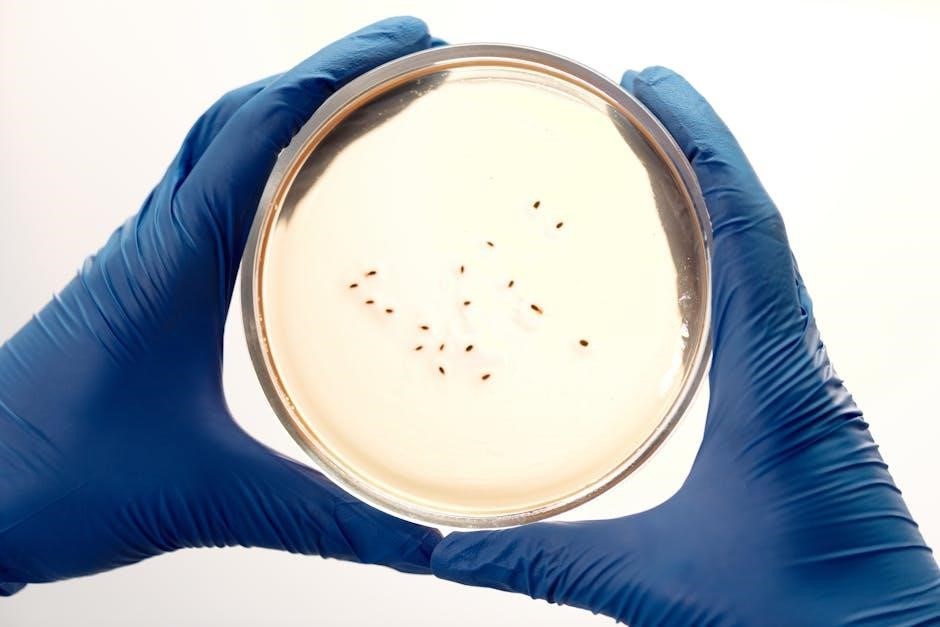
For example, a lower concentration might suffice for preventative treatments or controlling smaller infestations, while higher concentrations are often needed for severe infestations or hard-to-kill pests․ Always prioritize the label instructions over general guidelines․
Factors like pest life cycle stage, environmental conditions, and application method also influence the optimal dilution․ Careful consideration of these factors, alongside the label’s guidance, ensures the insecticide is both effective and used responsibly, minimizing potential risks to non-target organisms and the environment․
Mixing Instructions – General Guidelines
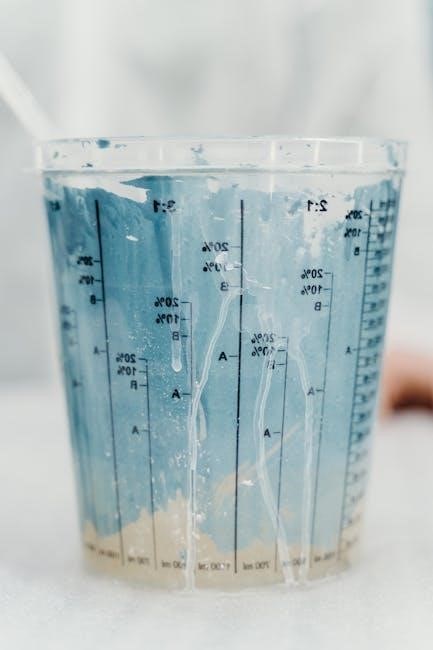
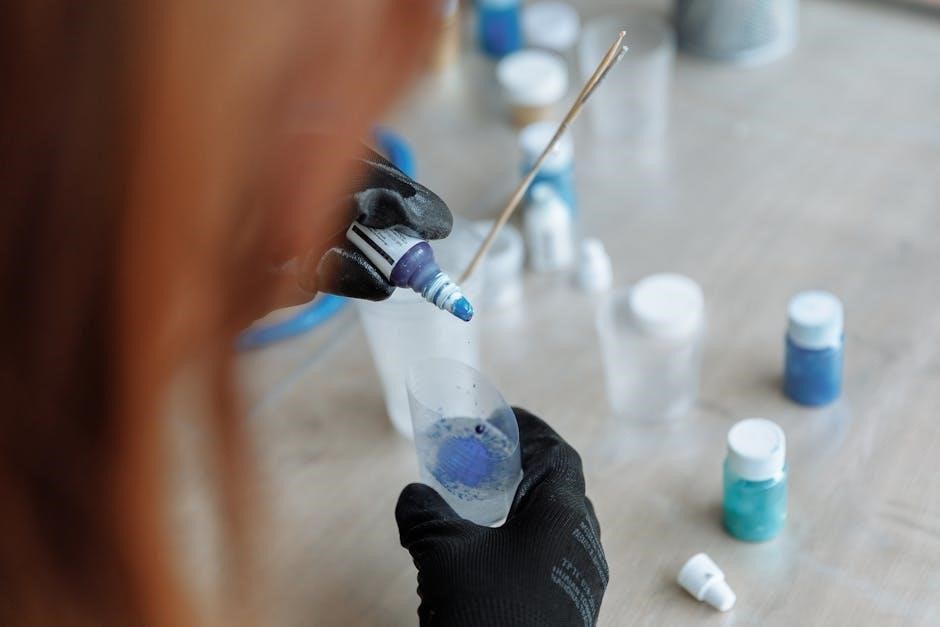
Prior to mixing Talstar P Professional, thoroughly read and understand the entire product label․ Always add the insecticide to the water, not water to the insecticide, to ensure proper emulsification and prevent clumping․ Use a calibrated measuring device for accurate dilution․
Maintain constant agitation while mixing and during application to keep the solution homogenous․ Avoid mixing with other pesticides or fertilizers unless explicitly stated on the label, as compatibility issues may arise․
Mix only the amount needed for immediate use to prevent product degradation and minimize waste․ If using a closed spray tank transfer system, follow the system’s specific instructions for injection rates and calibration; Regularly inspect the spray equipment for leaks or malfunctions before and during application․
Mixing with Water
When mixing Talstar P Professional with water, begin by filling the spray tank with the required amount of water, typically three-quarters full․ Then, with the agitation running, slowly add the specified amount of Talstar P Professional concentrate․
Continue agitation for at least two minutes to ensure complete mixing and a uniform solution․ The water pH should be within the range of 5․5 to 7․0 for optimal stability and efficacy․ If the water source is known to have high pH levels, consider using a buffering agent․
Always use clean water, free from sediment or debris, to prevent nozzle clogging and ensure even application․ Avoid using water from ponds or streams without prior filtration․ Once mixed, the solution should be applied immediately; do not store diluted insecticide for extended periods․
Using a Closed Spray Tank Transfer System
Employing a closed spray tank transfer system, like an in-line injector, significantly reduces handler exposure during mixing․ With this method, after the product is diluted according to label directions, the required Personal Protective Equipment (PPE) is lessened․
Specifically, a long-sleeved shirt, long pants, socks, shoes, and waterproof gloves are sufficient when using such a system․ Respiratory protection and protective eyewear are generally not required during mixing if the system is fully enclosed and prevents spray mist exposure․
Ensure the system is properly calibrated to deliver the correct dilution rate․ Regularly inspect all connections and hoses for leaks․ Always follow the manufacturer’s instructions for the specific transfer system being used․ Prioritize safety and verify complete containment before initiating the transfer process․
Post-Mixing Procedures
Following insecticide mixing, meticulous cleaning and maintenance of your Personal Protective Equipment (PPE) are paramount․ Contaminated clothing must be removed and washed separately from other laundry before reuse․ If specific washing instructions aren’t available, utilize detergent and hot water;
Proper storage of any mixed insecticide is crucial․ Store in the original, labeled container in a secure, well-ventilated area, inaccessible to children and pets․ Never store diluted insecticide for extended periods, as it may degrade and lose effectiveness․
Dispose of any unused mixture according to local, state, and federal regulations․ Thoroughly rinse the mixing container three times before disposal, adding the rinse water to the spray tank․ Maintain detailed records of mixing dates and quantities․
Cleaning and Maintenance of PPE
Maintaining your Personal Protective Equipment (PPE) is vital for continued protection during Talstar P Professional insecticide applications․ After each use, thoroughly inspect all PPE for any signs of damage, such as tears or chemical degradation․
Follow the manufacturer’s instructions for cleaning and maintaining each piece of equipment․ If no specific instructions exist for washables, use detergent and hot water to remove contaminants․ Keep and wash PPE separately from other laundry to prevent cross-contamination․
Chemical-resistant gloves should be inspected for punctures or tears before and after each use․ Store PPE in a clean, dry location, away from direct sunlight and extreme temperatures․ Regularly replace damaged or worn-out PPE to ensure optimal protection․
Proper Storage of Mixed Insecticide
Storing mixed Talstar P Professional insecticide requires careful attention to prevent accidental exposure and maintain product integrity․ Always store diluted or undiluted insecticide in its original container, tightly closed, and clearly labeled with the contents and hazard warnings․
Keep the insecticide out of reach of children, pets, and livestock․ Store in a cool, dry, well-ventilated area, away from direct sunlight, heat sources, and food or feed products․ Avoid storing near water sources to prevent contamination․
Never transfer mixed insecticide into unmarked containers․ Follow all local, state, and federal regulations regarding pesticide storage․ Dispose of any unused or expired insecticide according to label instructions and applicable environmental regulations․
Important Label Information & Contact Details
Always refer to the product label for the most current and comprehensive instructions regarding Talstar P Professional insecticide․ The label provides critical details on application rates, target pests, safety precautions, and environmental hazards․
The label explicitly states the product is harmful if swallowed, inhaled, or absorbed through skin, emphasizing the need for thorough PPE and adherence to safety guidelines․ It’s crucial to read and understand all warnings and restrictions before mixing or applying the insecticide․
For further information or assistance, contact FMC at 1-800-321-1FMC (1362)․ Additional resources, including Safety Data Sheets (SDS) and label updates, can be found online at labelsds․com․ Remember, responsible pesticide use begins with informed decision-making and strict label compliance․