Understanding the “Oil Pressure Engine Off” Warning in Your VW
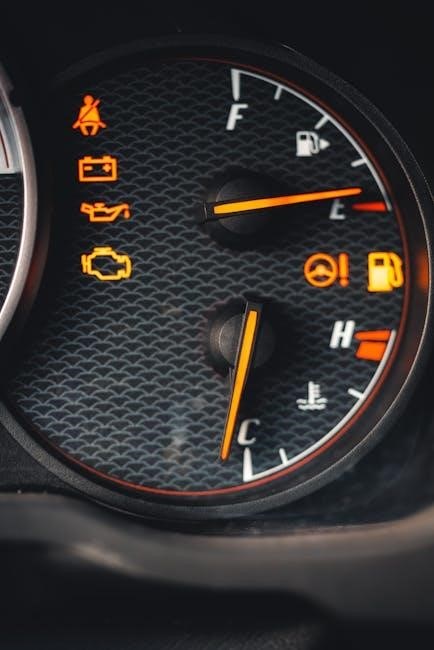
The “Oil Pressure Engine Off” message signals a VW issue achieving required oil pressure, potentially too low, too high, or nonexistent.
Immediate action is crucial for preventing severe engine damage and costly repairs, so heed this warning!
What Does the Warning Mean?
The “Oil Pressure Engine Off” warning, as detailed in your VW’s owner’s manual, indicates a critical problem with your vehicle’s lubrication system. This isn’t a message to ignore; it signifies that the engine isn’t receiving adequate oil pressure to safely operate. This could stem from genuinely low oil pressure, excessively high pressure, or a complete absence of pressure.
Essentially, the engine’s internal components rely on a constant film of oil to minimize friction and prevent catastrophic wear. When oil pressure drops below a safe threshold, the engine control unit (ECU) triggers this warning to protect against potential damage. Continuing to drive with this warning illuminated can lead to severe engine failure, necessitating expensive repairs or even a complete engine replacement. Immediate attention and diagnosis are paramount.
Immediate Actions When the Warning Appears
If the “Oil Pressure Engine Off” warning illuminates on your VW’s dashboard, the most crucial immediate action is to safely pull over and shut off the engine. Do not attempt to continue driving, even for a short distance. Restarting the engine should be avoided until the issue is investigated.
After safely stopping, briefly check for any obvious external oil leaks under the vehicle and around the engine bay. Also, verify coolant levels and engine temperature. While a visual inspection isn’t a substitute for professional diagnosis, it can provide initial clues. As one owner described, checking these basics can sometimes reveal a simple issue. Confirming low oil pressure with a gauge before seeking a mechanic is also advisable.
Potential Causes of Low Oil Pressure
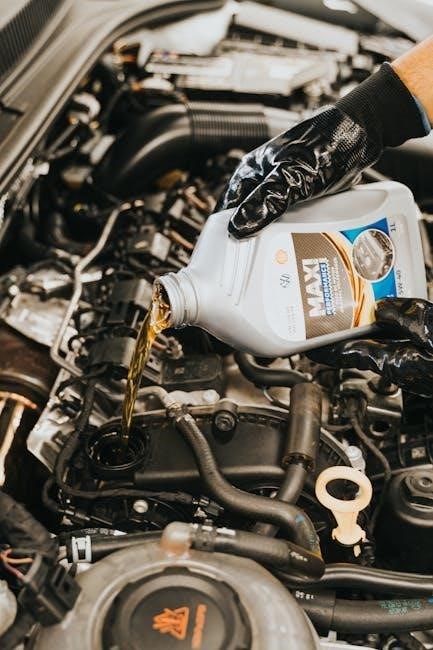
Low oil pressure can stem from several issues: insufficient oil level, a faulty pressure sensor, a failing oil pump, or carbon buildup obstructing the oil pickup.
Oil Level Issues
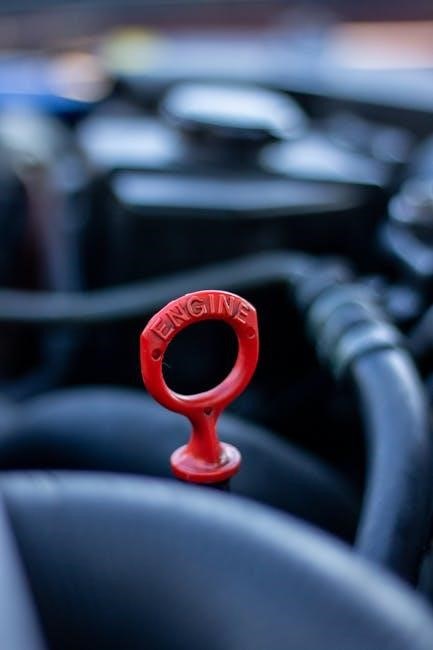
Checking the oil level is the first, and often simplest, step when the “Oil Pressure Engine Off” warning illuminates. A low oil level is a primary suspect, as insufficient lubricant directly impacts oil pressure. Remember to park on a level surface and allow the engine to cool slightly before checking. Use the dipstick, wiping it clean before reinserting and checking the reading against the marked minimum and maximum levels.
Even if the level appears “normal,” it’s crucial to verify it’s within the acceptable range. Minor leaks, even a few drops, can gradually reduce oil volume over time; Consistently monitoring oil levels between changes is a proactive measure. If the oil level is consistently low despite regular top-offs, a more significant leak or internal oil consumption issue may be present, requiring further investigation by a qualified mechanic.
Faulty Oil Pressure Sensor
A malfunctioning oil pressure sensor can falsely trigger the “Oil Pressure Engine Off” warning, even when actual oil pressure is adequate. This sensor’s role is to relay oil pressure information to the vehicle’s computer, which then displays the warning if readings fall outside the acceptable range. If the sensor fails, it may send an inaccurate signal, leading to a false alarm.
Diagnosing a faulty sensor requires a pressure test to confirm actual oil pressure. If the pressure is within specifications but the warning persists, the sensor is a likely culprit. Replacing the sensor is typically a relatively inexpensive repair. However, it’s vital to avoid simply replacing the sensor without verifying actual oil pressure, as masking a genuine low-pressure issue could lead to severe engine damage.
Oil Pump Problems
A failing oil pump is a serious cause of low oil pressure and the dreaded “Oil Pressure Engine Off” warning in your VW. The oil pump’s function is to circulate oil throughout the engine, ensuring all components receive adequate lubrication. If the pump weakens or fails, oil pressure drops, potentially causing catastrophic engine damage.
Symptoms of an oil pump issue can include the warning light, unusual engine noises, and a lack of oil pressure reading on the dashboard. Diagnosing an oil pump problem typically involves a manual oil pressure test. If the test confirms low pressure, the pump likely needs replacement. Ignoring this issue can lead to bearing failure, crankshaft damage, and ultimately, engine seizure, necessitating a costly rebuild or replacement.
Oil Pickup Tube Blockage (Carbon Buildup)
Carbon buildup within the oil pickup tube represents a significant, often overlooked, cause of low oil pressure in VW engines, triggering the “Oil Pressure Engine Off” warning. Over time, combustion byproducts and sludge can accumulate, restricting oil flow from the oil pan to the pump. This blockage starves the engine of vital lubrication, especially during acceleration or hard cornering.
A 2007 VW 2.0T with 100,000 miles experienced near-complete blockage, highlighting the issue’s prevalence. Symptoms include the warning light and potential engine noises. Diagnosis requires inspection of the pickup tube, often necessitating removal of the oil pan. Regular oil changes with quality oil and filters can help minimize buildup, but a thorough cleaning or replacement of the pickup tube may be necessary to restore proper oil flow and prevent engine damage.
Diagnostic Steps & Checks
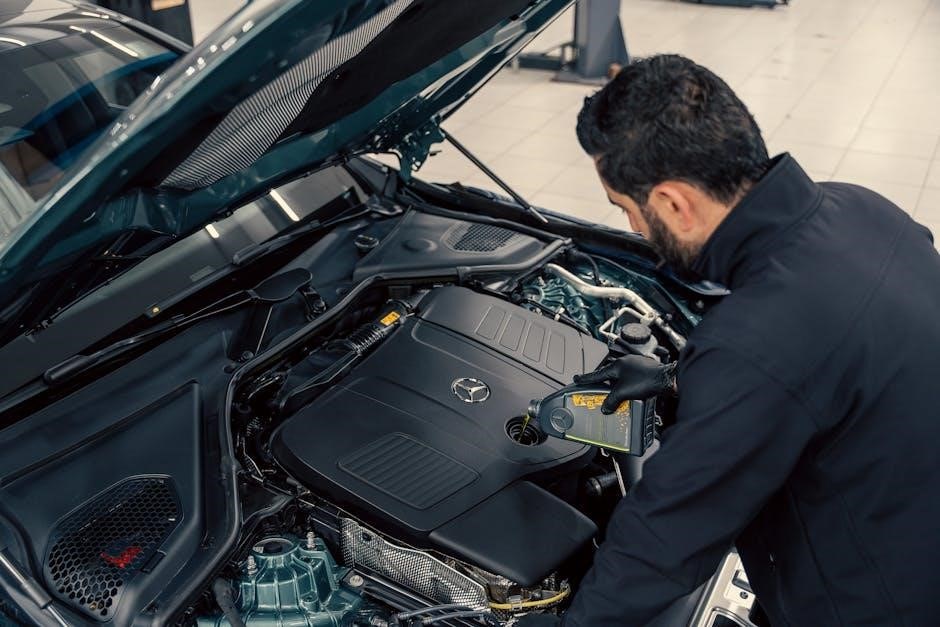
Begin by checking for leaks, coolant, and oil levels, alongside unusual sounds and temperatures; a manual oil pressure test is also essential for accurate diagnosis.
Performing a Manual Oil Pressure Test
A manual oil pressure test is a critical step in diagnosing the “Oil Pressure Engine Off” warning in your VW. This involves temporarily replacing the factory oil pressure sensor with a mechanical gauge. Locate the oil pressure sending unit – typically on the engine block. Carefully remove the existing sensor and install the test gauge, ensuring a tight seal to prevent leaks.
Start the engine and observe the gauge reading. Compare the result to the manufacturer’s specifications for your specific VW model and engine type. Low readings confirm insufficient oil pressure, pointing towards potential issues like a failing oil pump or a blocked pickup tube. Accurate interpretation requires understanding your vehicle’s specific pressure range; consult your owner’s manual or a qualified mechanic for guidance.
Checking for Oil Leaks
A thorough inspection for oil leaks is essential when addressing the “Oil Pressure Engine Off” warning in your VW. Begin by visually examining the engine bay, focusing on common leak points like the oil filter, drain plug, valve cover gasket, and crankshaft seals. Look for fresh oil drips or residue accumulation.
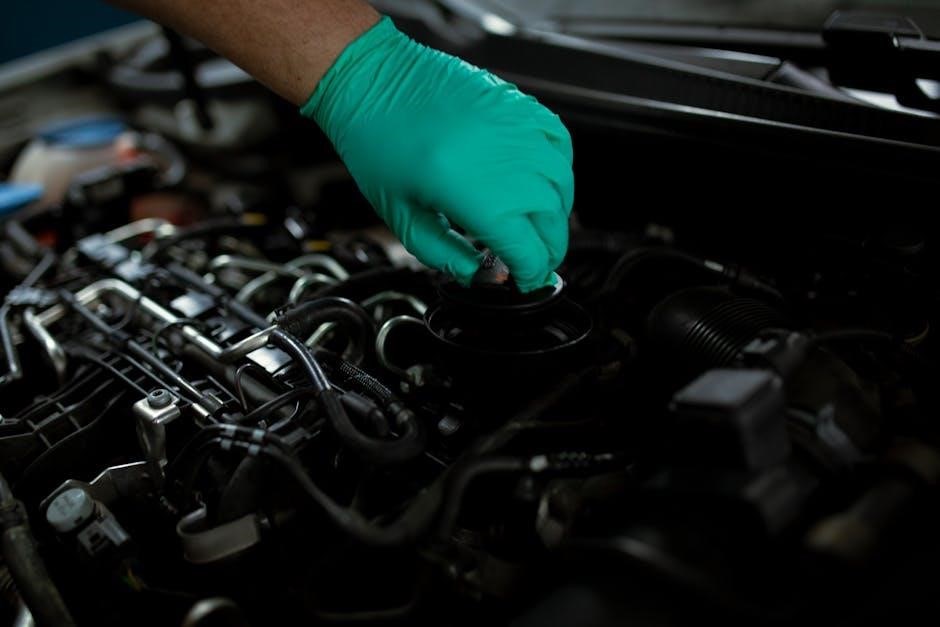
Place cardboard or a clean drop cloth under the engine overnight to help identify the leak’s source. Inspect the oil pan, timing cover, and turbocharger (if equipped) for any signs of seepage. Even a small leak can gradually reduce oil levels, leading to low pressure. Remember, a reported small oil leak on a 2021 VW Atlas warrants immediate attention and investigation to prevent further complications.
Inspecting Coolant Levels & Temperature
While seemingly unrelated, coolant levels and engine temperature are vital checks when investigating an “Oil Pressure Engine Off” warning in your VW. Low coolant can cause overheating, potentially thinning the oil and reducing its pressure. Check the coolant reservoir when the engine is cold; ensure it’s at the appropriate level.
Monitor the temperature gauge while driving. Overheating can indicate a failing water pump or thermostat, impacting oil viscosity. A forum post highlights checking coolant levels as part of initial troubleshooting. Remember, a sudden temperature spike alongside the oil pressure warning is a serious concern. Address any coolant issues promptly to avoid compounding the problem and potentially causing significant engine damage.
Listening for Unusual Engine Noises
Paying close attention to engine sounds is a crucial diagnostic step when facing an “Oil Pressure Engine Off” warning in your VW. Unusual noises, such as knocking, tapping, or rattling, can indicate insufficient lubrication due to low oil pressure. These sounds often originate from the valvetrain or connecting rods, areas heavily reliant on oil for proper function.
A forum user recounts checking for “strange sounds” after the warning appeared. Note if the noises change with engine speed. A consistent knocking sound is particularly alarming. While not definitive, these auditory clues can help pinpoint the problem’s severity and guide further investigation. Ignoring unusual engine noises could lead to catastrophic engine failure, so prompt attention is essential.
VW Specific Considerations
VW’s 2.0T engines are prone to carbon buildup in the oil pickup tube, restricting oil flow. A 2021 VW Atlas owner reported a small oil leak needing attention.
Common Issues in 2.0T Engines
The 2.0T engines, particularly in models like the 2007 VW with significant mileage (around 100,000 miles), frequently experience oil pressure warnings due to carbon buildup within the oil pickup tube. This accumulation drastically reduces oil flow to critical engine components, triggering the “Oil Pressure Engine Off” notification.
Owners have reported instances where the pickup tube was almost completely blocked, necessitating cleaning or replacement. While a faulty oil pressure sensor is a simpler fix, carbon buildup represents a more insidious and potentially damaging problem. Regular oil changes and using the correct oil type are vital preventative measures, but even with diligent maintenance, this issue can arise. Prompt diagnosis and addressing the root cause are essential to avoid severe engine damage.
Model Year Variations (e.g., 2021 VW Atlas)
Even newer models, such as the 2021 VW Atlas with the 2.0T engine, aren’t immune to oil pressure warnings. Owners have reported experiencing the “Oil Pressure Engine Off” message despite seemingly normal oil levels. A common symptom is discovering small oil drops on the driveway, indicating a potential leak.
While the specific causes can vary, it’s crucial to investigate promptly. The oil pressure switch can malfunction, triggering a false alarm, but a genuine leak or developing internal engine issue must be ruled out. Thoroughly checking coolant levels, engine temperature, and listening for unusual noises are vital first steps. Professional diagnosis is recommended to pinpoint the exact cause and prevent escalating damage, even in relatively new vehicles.
Preventative Maintenance
Consistent oil changes, filter replacements, and using the correct oil type are essential for maintaining optimal oil pressure and preventing warnings.
Regular Oil Changes
Consistent and timely oil changes are paramount in preventing the dreaded “Oil Pressure Engine Off” warning in your VW. Fresh oil maintains proper viscosity, ensuring adequate lubrication for all engine components. Neglecting oil changes allows contaminants to build up, potentially clogging the oil pickup tube – a common issue, especially in 2.0T engines, as noted with the 2007 model experiencing significant carbon buildup.
Follow your VW’s recommended oil change intervals, detailed in the owner’s manual. Consider more frequent changes if you engage in severe driving conditions, such as frequent short trips or towing. Regular oil changes aren’t just about preventing warnings; they’re about safeguarding your engine’s longevity and avoiding potentially catastrophic damage. Don’t ignore drops of oil found in your driveway, as this could indicate a leak needing attention.
Oil Filter Replacement
Alongside regular oil changes, consistent oil filter replacement is vital for maintaining healthy oil pressure in your VW. The oil filter removes contaminants, preventing them from circulating and causing damage. A clogged filter restricts oil flow, potentially triggering the “Oil Pressure Engine Off” warning.

Always replace the oil filter with each oil change; they work in tandem. Using a high-quality filter designed for your specific VW model is crucial. A compromised filter can’t effectively clean the oil, leading to increased wear and tear on engine components. Remember the 2021 VW Atlas owner’s experience with a small oil leak – a clean filter helps maintain system integrity. Prioritize filter quality to avoid potential blockages and ensure optimal oil circulation, safeguarding against engine issues.
Importance of Using the Correct Oil Type
Employing the correct oil type is paramount for your VW’s engine health and preventing the dreaded “Oil Pressure Engine Off” warning. VW engines, particularly the 2.0T found in models like the 2021 Atlas, often require specific oil viscosities and specifications. Using an incorrect oil can compromise lubrication, leading to reduced oil pressure and increased engine wear.
Consult your owner’s manual to determine the manufacturer-recommended oil type. Synthetic oils generally offer superior protection and flow characteristics, especially in modern engines. Avoid using oils that don’t meet VW’s standards, as they may not provide adequate protection or maintain proper pressure. Remember the carbon buildup issue in the 2.0T – the right oil helps minimize sludge formation and ensures optimal oil flow, preventing potential blockages and safeguarding your engine.

When to Seek Professional Help
Ignoring the “Oil Pressure Engine Off” warning risks severe engine damage; a qualified mechanic is essential for accurate diagnosis and repair. Don’t delay seeking assistance!
Avoiding Further Engine Damage
Immediately stopping the vehicle upon seeing the “Oil Pressure Engine Off” warning is paramount. Continued operation with insufficient lubrication can lead to catastrophic engine failure, requiring expensive rebuilds or replacements. The lack of oil pressure causes increased friction between vital engine components – pistons, bearings, and the crankshaft – generating excessive heat and wear.
Even if initial checks like oil level and coolant appear normal, the underlying issue could be more complex, such as a failing oil pump or a blockage in the oil pickup tube. Restarting the engine, even briefly, exacerbates the problem. Prioritizing a professional diagnosis minimizes the risk of transforming a potentially minor repair into a major overhaul. Remember, preventative action saves both money and the longevity of your VW.
Importance of a Qualified Mechanic
Diagnosing an “Oil Pressure Engine Off” warning requires specialized knowledge and tools. A qualified VW mechanic possesses the expertise to accurately pinpoint the root cause, whether it’s a faulty oil pressure sensor, a failing oil pump, or a more intricate issue like carbon buildup. They can perform a manual oil pressure test, crucial for confirming low pressure beyond the dashboard warning.
Attempting DIY repairs without proper training can lead to misdiagnosis and further damage. VW engines, particularly the 2.0T, have specific vulnerabilities. A skilled technician understands these nuances and can implement the correct solution, ensuring the longevity of your engine. Trusting a professional safeguards against costly mistakes and provides peace of mind, knowing your vehicle is in capable hands.